Financial planning built around sustained progress
A structured program that moves through personal finance fundamentals to strategic asset allocation across 16 sessions.

How 8 months translate into measurable financial awareness
The program runs as sequential modules, each building on concepts introduced in the previous one.
Sessions are scheduled biweekly, with each lasting 90 minutes.
Participants work through retirement planning models, emergency fund calculations, and debt reduction frameworks using real account data. Between sessions, assignments focus on applying formulas to actual financial situations—tracking spending against income, calculating net worth changes, and projecting investment growth over various timelines.
The curriculum covers budgeting systems, tax-advantaged accounts, insurance needs assessment, and estate planning basics. Each topic includes practical exercises that require participants to input their own financial figures into standardized templates.
- 16 structured sessions with documented outcomes
- Individual progress tracked across 8 financial dimensions
- Templates for retirement projections and risk assessment
- Access to planning software used by certified professionals

The program operates entirely online through video sessions and shared document platforms. Participants maintain a portfolio folder where all completed worksheets, projections, and planning documents accumulate throughout the 8 months.
By session 16, participants have built a comprehensive financial plan that includes cash flow statements, investment allocation models, insurance coverage analysis, and goal-specific savings timelines. These documents serve as ongoing reference materials for independent financial decisions after the program concludes.
What happens across 4 distinct phases
Each phase addresses specific financial planning components with increasing complexity.
Financial assessment and goal definition
Complete net worth statement, identify income sources, list all debts with interest rates. Establish 3 measurable financial goals with target dates. Create initial budget using zero-based methodology. Sessions 1 through 4.
4 sessions • 6 weeks
Debt management and emergency reserves
Build debt payoff schedules using avalanche and snowball methods. Calculate optimal emergency fund size based on monthly expenses. Open high-yield savings accounts, set up automated transfers. Sessions 5 through 8.
4 sessions • 6 weeks
Investment fundamentals and asset allocation
Learn retirement account options (RRSP, TFSA, employer plans). Determine risk tolerance through standardized questionnaire. Build diversified portfolio models matching individual risk profile. Review fund expense ratios and tax implications. Sessions 9 through 12.
4 sessions • 6 weeks
Insurance, estate planning, and strategy refinement
Assess life, disability, and liability insurance needs. Review beneficiary designations on all accounts. Create basic estate documents checklist. Finalize comprehensive financial plan with annual review schedule. Sessions 13 through 16.
4 sessions • 6 weeks
Outcomes measured after program completion
Program effectiveness is tracked through specific financial metrics documented at intake and final session.
Participants who complete all 16 sessions show measurable improvements in financial organization and planning capability. The data below represents averages from the 2023 cohort of 34 participants who submitted both pre-program and post-program financial assessments.
These metrics reflect changes in documented behaviors and account structures, not investment performance or income growth, which vary by individual circumstance.
Established automated savings plans
Reached target emergency fund level
Completed comprehensive financial plan
Increased retirement contributions
Feedback from recent participants
Statements from individuals who completed the full 16-session program in 2023.
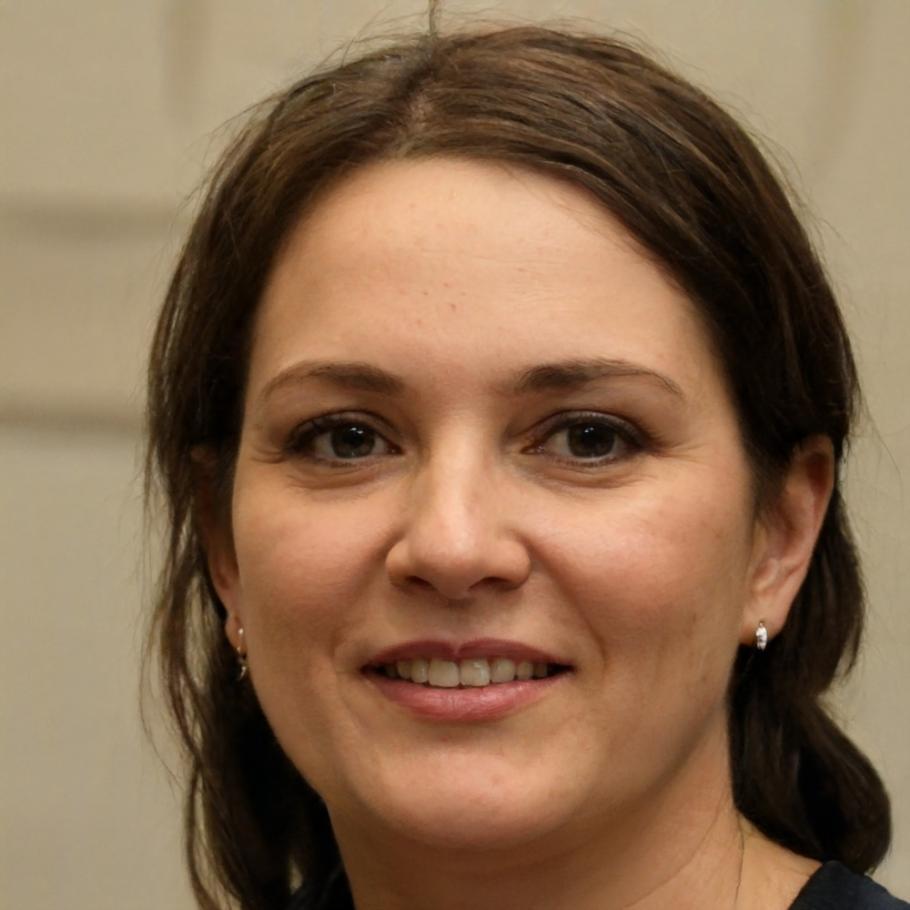
Leena Kovac
Software engineer, completed January 2023
I had retirement accounts but no clear allocation strategy. The program helped me build a portfolio model that matches my risk tolerance and timeline. I now have a spreadsheet that projects my retirement savings across different contribution levels.

Astrid Voss
Marketing director, completed April 2023
The debt payoff schedule was the most valuable output for me. I had been making minimum payments on multiple cards without understanding the total interest cost. The avalanche method reduced my projected payoff time by 18 months compared to my previous approach.

Jolan Bergström
Teacher, completed September 2023
Before the program I avoided looking at my finances because the information was scattered across different accounts. Now everything is consolidated into one tracking system. I can see exactly where I am relative to my savings goals and adjust my budget accordingly.